On this page
I went to Dallas last weekend for my father-in-law’s 95th birthday. It was a beautiful celebration of a man who deserves to be celebrated. My wife had gone up on her own the day before to get a little more time with him, so it was just me and the kids on the drive up.
They wanted to sit in the backseat together. But my daughter felt bad about me sitting up front alone. So she took her lovie, a stuffed pig affectionately named Piggy, set him in the passenger seat, and buckled him in.
So in a way, I had company. But Piggy isn’t much of a talker. Great listener, though.
As she often does, my little girl touched my heart. But it was about more than just her empathy. It was also the creativity of that moment -- she built a whole world in her mind, and in that world she was convinced that Piggy would be my worthy co-pilot. Building that alternate reality was so natural for her. It never would have crossed my adult mind. To me, it was a reminder of what we often forget.
I’ve written before about the value of creativity. If you’re like me, you forget about your amazing creativity somewhere between kindergarten and your first job interview. But it doesn’t go away. We just stop giving it oxygen.
Look around the room you’re sitting in. Apart from nature, every single thing in it started as an idea in someone’s head. The chair, the smartphone, the artwork. Even the company that pays you. Every incredible result that humans have achieved began with an idea.
So where do our ideas come from? And how do we make more of them? Put simply: how do you learn how to be more creative?
I recently went to a seminar on creativity. It was about learning how to foster the conditions to spark creativity on demand. Early on, they polled the room: Where do you have your best ideas? They provided five options to choose from: In the shower, on a walk, while driving, doing chores, or at the computer.
Not one person picked the computer.
Of the other four options, there was a common thread. They’re all rote activities. They keep your body busy and let your mind wander. You stop trying to solve anything, which allows the Default Mode Network of your brain to do what it does best.
Computers are largely for tasks and execution. Ideas come from somewhere else. They need space, space for doing almost nothing.
We’re taught that more is better. Climb the ladder. Be more productive. Answer faster. Take on more. Fill every gap in the calendar, and if there happens to be a gap that sneaks through, fill that time with scrolling on your phone. A busy schedule is a badge of honor. The hustle and grind is the agreed-upon path to success. And the person who steps away from the desk to take a walk looks like they’re slacking. To their colleagues, to the boss, and, frankly, to themselves.
You may have heard the infamous story of Elon Musk sleeping at the Tesla factory. That lore has become, in many circles, the prime example of what it takes to be successful.
But what most people miss is that Elon was sleeping at the factory largely in service of the execution of his idea. The vision came first, and the vision is what inspired him to sleep there. Without a compelling vision, one that lights your torch, you will burn out. It will drain you.
A creative, inspirational vision fuels you. It pushes you forward. And you don’t get that kind of vision by answering emails or grinding on your laptop. The factory floor was for the work. But the idea comes from another place.
If you want to work hard at something, to be motivated and driven toward a goal -- you need to be inspired. You need to imagine something that doesn’t exist yet. You need to be creative. Because it’s in your nature. It’s what we’re born to do.
So here’s the part you’re not going to want to hear. If you want more impact in your career or life, simply “doing more” probably won’t get you there. Or it might get you somewhere you don’t really want to go. You need to start with the creative inspiration. And to get there -- doing less, with purpose and regularity, is the way to find it.
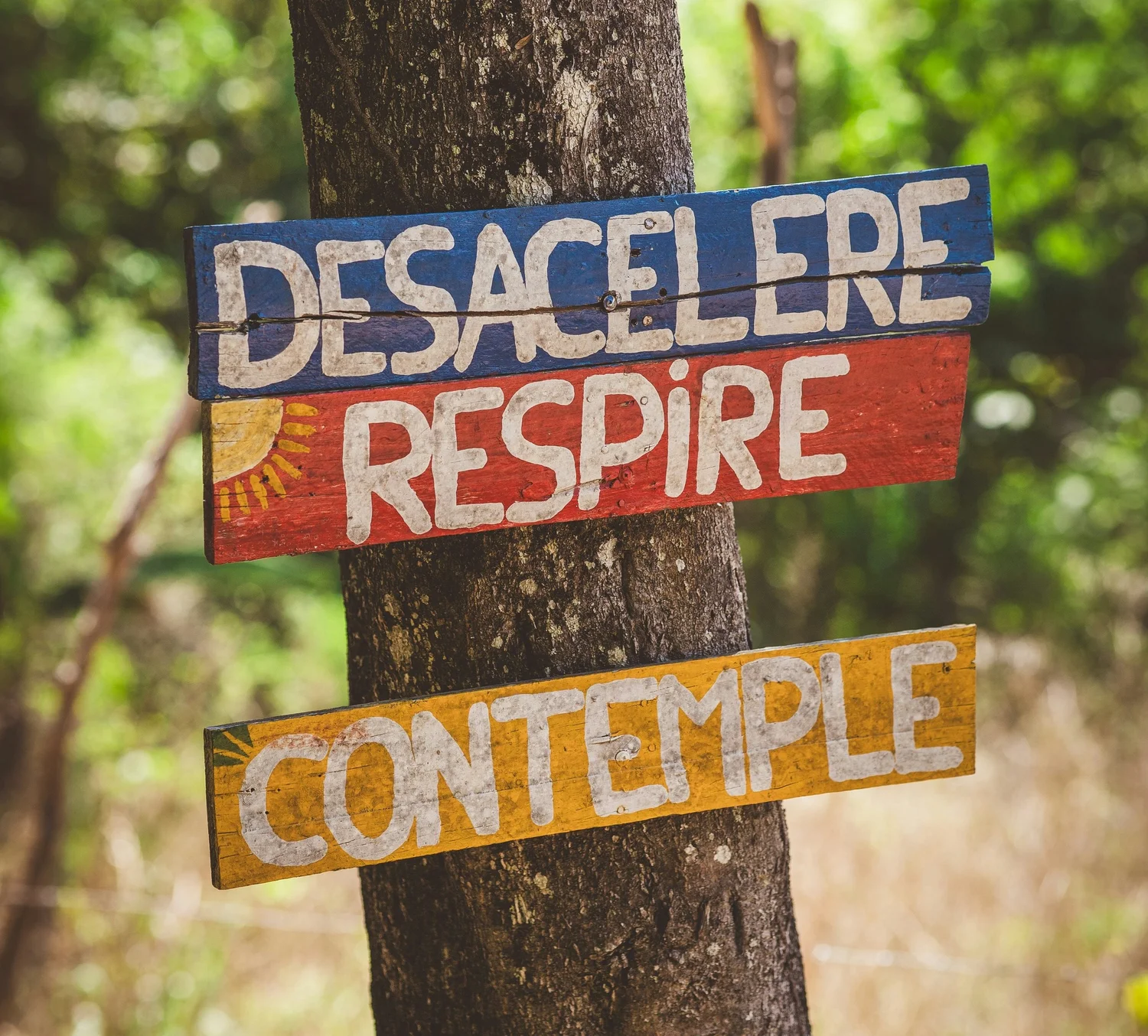
When clients ask me how to be more creative, or how to get more out of their work or their life, my answer can be off-putting: Slow down. Take a walk without distractions. Meditate. Make space in the calendar with nothing in it. And guard it fiercely. Notice what you start thinking about when nothing is fighting for your attention.
Once you’ve found the idea, the hard work can begin. I’m definitely not telling you to stop working hard. I’m telling you hard work goes a lot further, and is a lot easier, when it’s in service of an idea you’re passionate about.
Slowing down and getting quiet is the path. My daughter hasn’t forgotten that yet.
I’m glad she keeps finding ways to remind me.
You might also like
Show all posts